|
Getting your Trinity Audio player ready...
|
How to Self-Publish a Book: The Complete Guide | Self-Publishing and Printing Company
Self-publishing has transformed the modern literary world. What once required approval from traditional publishing houses can now be accomplished independently with the right tools, guidance, and strategy. Today, authors have access to complete book publishing solutions, allowing them to control every step… from book editing and book formatting to book printing and book marketing.
However, while self-publishing offers freedom, it also requires careful planning and execution. Writing a book is only one part of the journey. Turning that manuscript into a professionally published product involves multiple stages that demand attention to detail and industry knowledge.
In this complete guide, we’ll walk you through how to self-publish a book step by step, helping you understand the process, avoid common pitfalls, and create a high-quality book that connects with readers.
Traditional Publishing vs. Self-Publishing
When it comes to bringing a book to market, authors generally choose between traditional publishing and self-publishing. Each approach follows a different process and offers distinct advantages depending on the author’s goals.
What Is Traditional Publishing?
Traditional publishing is a long-established route where authors submit their manuscripts to literary agents, who then present the work to publishing houses. If the manuscript is accepted, the publisher manages the entire process, including book editing, book cover design, book printing, distribution, and book marketing.
In this model, authors often receive an advance against future royalties. However, a large share of the book’s revenue is distributed among the publisher, agent, and other intermediaries. While traditional publishing provides access to experienced professionals and industry credibility, it typically involves longer timelines and offers limited creative control for the author.
What Is Self-Publishing?
Self-publishing is a more independent path where authors oversee the publishing process themselves. By using modern platforms and professional services, authors can publish their books in digital, print, and even audio formats.
With self-publishing, authors retain ownership of their work, earn higher royalties per sale, and can bring their books to market much faster. Although it requires more direct involvement, this approach provides greater creative freedom and the potential for stronger financial returns.
Benefits of Self-Publishing
Choosing between traditional publishing and self-publishing can be challenging. While traditional publishing offers industry validation, it often comes with trade-offs. Below are some key reasons why many authors choose to self-publish.
No Gatekeepers
In traditional publishing, authors must first gain approval from agents or publishers before their work can be released. Self-publishing removes this barrier, allowing authors to share their stories directly with readers. This opens the door for a wider range of voices and ideas to reach audiences without being filtered through industry preferences.
Higher Earnings
Self-published authors typically retain a larger portion of their book’s profits. In traditional publishing, revenue is divided among multiple parties, often leaving authors with a smaller percentage. By contrast, self-publishing allows authors to keep a significantly higher share, giving them more control over their income and future investments.
Greater Creative Control
One of the biggest advantages of self-publishing is creative freedom. Authors can make decisions about book editing, book cover design, book formatting, and book marketing without relying on a publisher’s direction. This ensures that the final product aligns with the author’s vision.
Full Ownership of Rights
When authors self-publish, they maintain full ownership of their intellectual property. Unlike traditional publishing agreements, which often require authors to give up certain rights, self-publishing allows authors to retain control over their work and explore additional opportunities such as adaptations or licensing.
Faster Publishing Timeline
Traditional publishing can take months or even years due to submission, approval, and production processes. In contrast, self-publishing enables authors to work at their own pace, often bringing a book to market within weeks once it is ready.
Comparable Quality
The idea that self-published books are lower in quality is becoming outdated. With access to professional services like book editing, book formatting, and book illustrations, authors can produce books that meet or exceed industry standards. Many self-published works today are indistinguishable from traditionally published titles in terms of quality and presentation.
How to Self-Publish a Book
The rise of self-publishing has transformed the world of book publishing, making it more accessible than ever for authors to bring their stories to life. According to industry reports, self-publishing continues to grow rapidly as more writers choose creative control and faster timelines over traditional routes.
While the process may seem overwhelming at first, it becomes much more manageable when broken down into clear, actionable steps. From writing your manuscript to book editing, book formatting, book printing, and book marketing, each stage plays a crucial role in turning your idea into a finished book.
Let’s walk through the complete step-by-step process.
Step 1: Writing Your Manuscript

If your manuscript is already complete, you’re off to a great start. If not, don’t worry. Many authors begin thinking about book publishing before their book is fully written. The key is to stay focused and consistent.
Keep the Momentum
Writing a book requires discipline and clarity of purpose. Ask yourself:
- Why am I writing this book?
- What message do I want to share?
When you stay connected to your purpose, your writing becomes more focused and meaningful. This clarity helps you move forward even when motivation fluctuates.
Create an Outline
If you feel stuck, outlining your book can help. Break your content into sections or chapters and organize your ideas logically.
You don’t need perfection here. The goal is to create a roadmap that makes writing easier.
Set small, realistic goals such as:
- Writing a certain number of words daily
- Completing one chapter per week
This approach keeps your progress steady and manageable.
Seek Support
Writing doesn’t have to be a solo journey. Many authors benefit from:
- Writing groups
- Peer feedback
- Writing coaches
Getting feedback early can help you identify gaps, improve clarity, and stay motivated. While feedback during writing is optional, having someone review your completed manuscript is essential before moving to the next stage.
Step 2: Book Editing
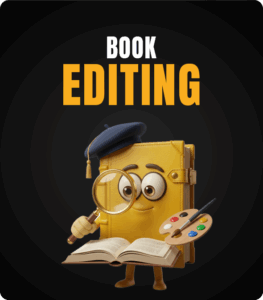
No manuscript is ready for publishing after the first draft. Book editing is one of the most important steps in self-publishing, as it transforms your rough draft into a polished, professional product.
Self-Editing
Start by reviewing your own manuscript. However, don’t edit immediately after finishing. Take a break for a few days or even a week to gain a fresh perspective.
When editing your work, focus on:
- Strong and engaging opening pages
- Clear and simple language
- Eliminating repetition
- Improving sentence flow
Remember, your goal is progress, not perfection.
Beta Readers
Beta readers provide valuable outside perspectives. These are individuals who read your manuscript and give honest feedback.
Choose readers who:
- Match your target audience
- Can provide objective opinions
- Are willing to give constructive criticism
Multiple rounds of beta reading can significantly improve your manuscript before professional editing.
Professional Editing
Professional book editing ensures your manuscript meets industry standards. Editors refine your work, improve readability, and eliminate errors that are easy to overlook.
There are three main types of editing:
- Developmental Editing: Focuses on structure, flow, and overall storytelling.
- Line Editing: Improves sentence clarity, tone, and style.
- Copy Editing: Corrects grammar, punctuation, and technical errors.
Investing in professional editing is one of the most valuable decisions you can make in your book publishing journey.
Step 3: Professional Book Design
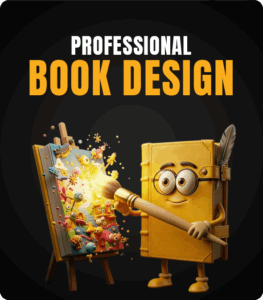
Once your manuscript is polished, the next step is presentation. High-quality design plays a major role in how readers perceive your book.
Book Cover Design
Your book cover design is the first thing readers notice. A professional cover:
- Reflects your genre
- Captures attention
- Builds credibility
A poorly designed cover can turn readers away, even if your content is excellent.
Interior Formatting
Book formatting ensures your manuscript looks clean and readable across devices and print formats.
This includes:
- Font selection
- Line spacing
- Margins
- Chapter structure
Proper formatting improves the reading experience and gives your book a professional finish.
Illustrations
If your book includes visuals, book illustrations can enhance storytelling and engagement. This is especially important for:
- Children’s books
- Educational content
- Graphic narratives
Make sure all visuals are high-quality and properly licensed.
Step 4: Book Metadata
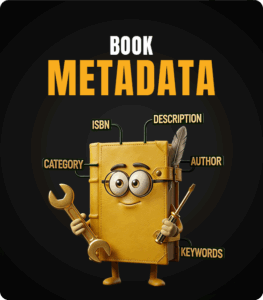
Metadata is essential for making your book discoverable in the marketplace. It provides key information that helps readers and platforms understand your book.
Title and Description
Your title should be memorable and relevant to your content. Your book description should:
- Clearly explain what the book is about
- Highlight its unique value
- Encourage readers to take action
ISBN and Copyright
An ISBN is a unique identifier used in book publishing for cataloging and distribution. It ensures your book is properly listed across platforms.
You should also secure copyright protection to safeguard your work.
Categories and Keywords
Selecting the right categories and keywords improves visibility. These help your book appear in relevant searches and reach the right audience.
Step 5: Publishing Your Book
After editing and design, your book is ready for publishing. This step involves preparing your book for digital and print release.
Digital Publishing
Digital formats allow readers to access your book instantly across devices. This is a key part of modern self-publishing.
Print Publishing
Book printing gives your audience the option to own a physical copy. Print-on-demand services are a popular choice because they reduce upfront costs and inventory risks.
Multi-Format Advantage
Offering your book in multiple formats increases accessibility. Readers can choose how they prefer to consume your content, whether through print, digital, or audio formats.
Step 6: Distribution
Distribution determines how your book reaches readers.
Direct Distribution
You can distribute your book independently through online platforms and retailers. This gives you full control but requires more effort.
Expanded Distribution
Partnering with professionals can simplify the process. Distribution services help place your book across:
- Online marketplaces
- Bookstores
- Libraries
This increases your reach and ensures your book is available to a wider audience.
Step 7: Book Marketing
Publishing your book is only half the journey. Book marketing is what helps readers discover it.
Build Your Audience
Start by identifying your target readers and understanding where they spend time.
Social Media Marketing
Platforms like Instagram, TikTok, and YouTube have strong reader communities. Engaging with these audiences can increase visibility and drive sales.
Author Website
An author website acts as your central hub. It should include:
- Your biography
- Book details
- Purchase links
- Contact information
This helps build your personal brand and connect with readers.
Reviews and Social Proof
Reviews play a major role in influencing buying decisions. Encourage readers to leave honest feedback on platforms where your book is listed.
Events and Promotions
Participating in:
- Book fairs
- Literary events
- Online promotions
can help you build connections and increase awareness.
Advanced Marketing Strategies
Additional strategies include:
- Press releases
- Influencer collaborations
- Advanced reader copies (ARCs)
These methods help generate hype and establish credibility.
What Does It Cost to Self-Publish a Book?
The cost of self-publishing a book can vary depending on the level of professional support you choose and the overall complexity of your project. Every stage of book publishing, from book editing and book cover design to book formatting, book illustrations, book printing, and book marketing, contributes to the final investment.
Some authors choose a minimal approach, while others invest in complete publishing solutions to ensure their book meets professional standards. Understanding these costs helps you plan your publishing journey more effectively and avoid unexpected expenses.
Understanding Self-Publishing Costs
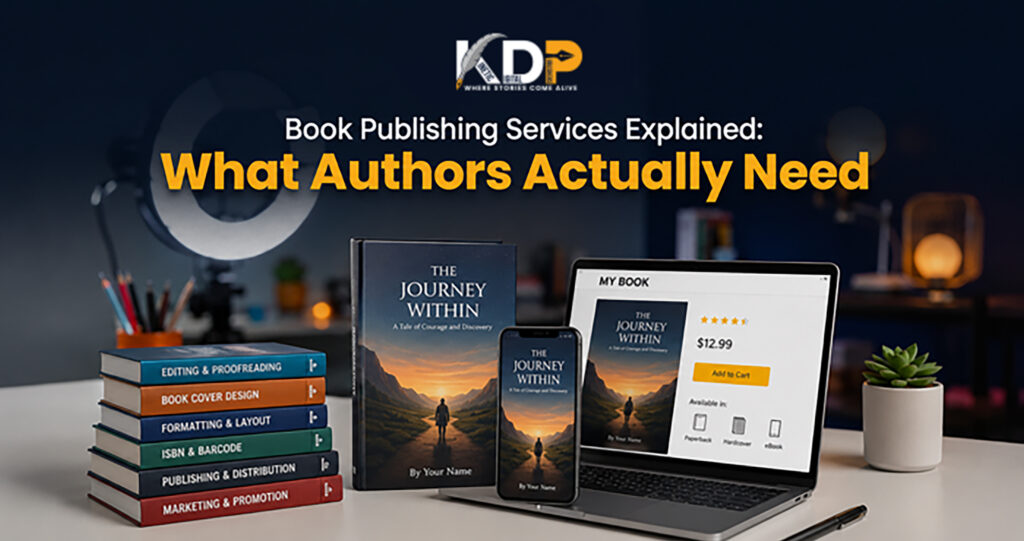
When budgeting for your book, it’s important to consider the key services involved in professional book publishing:
- Book Editing: Ensures your manuscript is polished, clear, and ready for readers
- Book Cover Design: Creates a strong first impression and attracts attention
- Book Formatting: Prepares your manuscript for both digital and print formats
- Book Illustrations: Adds visual appeal where needed
- Book Printing: Covers the cost of producing physical copies
- Book Marketing: Helps promote your book and reach your target audience
Each of these elements plays a crucial role in transforming your manuscript into a high-quality, market-ready book.
Pricing Your Book
Setting the right price for your book is a strategic decision. There is no universal formula, but a thoughtful approach can help you position your book effectively in the market.
Analyze Market Pricing
Start by researching similar books in your genre. Look at:
- Pricing trends for new and established authors
- Number of reviews and ratings
- Reader expectations within your category
This analysis helps you determine a competitive price that aligns with industry standards while still reflecting the value of your work.
Define Your Publishing Goals
Your pricing strategy should reflect your overall goals as an author.
- If your priority is visibility and reaching more readers, a lower price may help increase sales volume.
- If you want to position your book as a premium offering, a higher price can reflect its value and quality.
Consider the time, effort, and investment you’ve put into self-publishing, including book editing, book formatting, and book marketing, when setting your price.
How Much Do Authors Earn?
Earnings from self-publishing can vary significantly based on factors such as genre, pricing strategy, marketing efforts, and audience reach.
However, one key advantage of self-publishing is higher royalty potential. Unlike traditional publishing, where earnings are shared across multiple parties, self-published authors retain a larger portion of their revenue.
Recent industry data shows that many self-published authors are increasing their income steadily, especially when they invest in professional book publishing services and consistent book marketing strategies.
Getting Started with Self-Publishing
Navigating the world of book publishing can feel complex, but it becomes much more manageable with the right guidance and support.
At Kinetic Digital Publishers, we provide complete support across every stage of the publishing journey, including:
- Professional book editing to refine your manuscript
- High-quality book cover design to make your book stand out
- Expert book formatting for print and digital platforms
- Reliable book printing solutions
- Strategic book marketing to help your book reach readers
Our goal is to simplify the process so you can focus on what matters most, your story and your audience.
Start Your Publishing Journey Today
You’ve already done the hard work of writing your book. Now it’s time to bring it to life.
With the right support, self-publishing becomes a clear and structured process rather than an overwhelming one. Whether you’re just starting or ready to publish, our team is here to guide you every step of the way.
Reach out to Kinetic Digital Publishers today and take the next step toward becoming a published author.